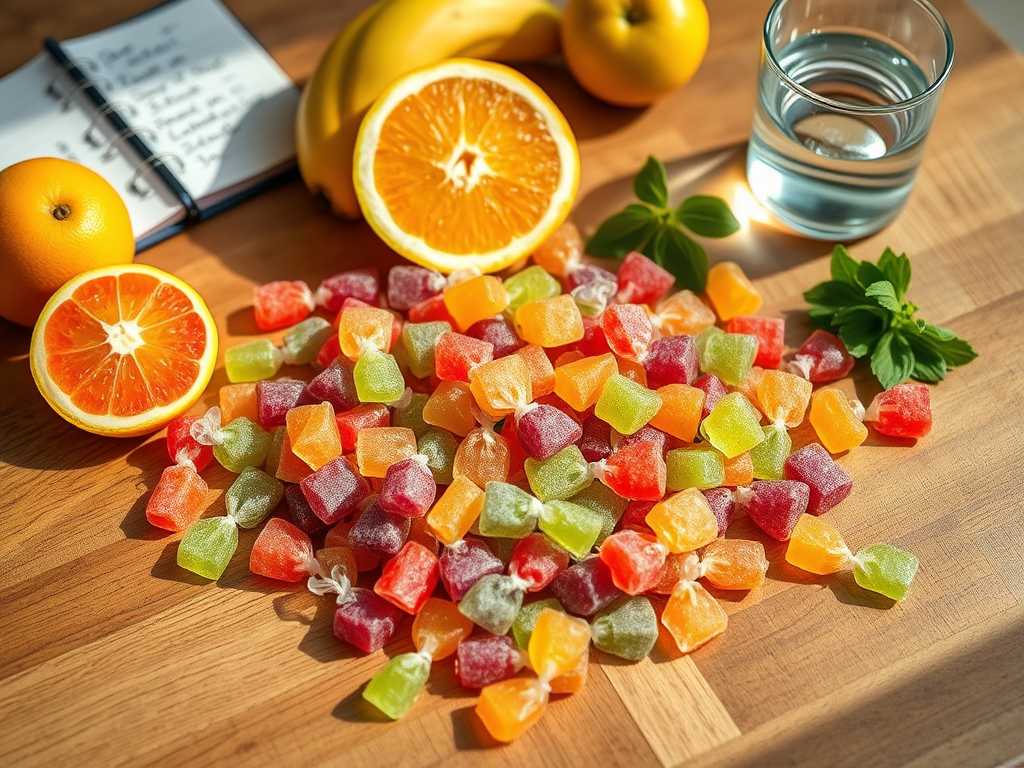
God, I was skeptical.
As someone who’s worked with nutrition clients since 2008, I nearly rolled my eyes when Jessica (not her actual name, she’d kill me) brought up trying a candy cleanse detoxcandy product she’d seen on Instagram. “Wait,” I said, “you want to quit sugar by eating… special candy?”
It sounded like nutritional nonsense disguised as wellness. But Jessica insisted it was helping her friend, so I promised to look into it before our next session.
That was in 2021, and I’ve since watched dozens of these products flood the market. Some clients swear by them; others found them useless. After digging through research papers, consulting colleagues, and—yes—trying several products myself, I’ve formed some opinions. Strong ones.
The Candy Cleanse DetoxCandy Approach (Does It Make Any Sense?)
Let’s address the obvious paradox: using candy-like products to break candy habits seems ridiculous on its face. But the theory behind it isn’t completely absurd.
When Kevin (a 41-year-old finance guy who stress-ate Snickers daily) tried quitting cold turkey, he made it three days before a brutal work deadline triggered a massive sugar binge. This tracks with what we know about habit psychology—sudden elimination often backfires spectacularly.
Some functional medicine practitioners I respect, like Christine Maren in Colorado, suggest that gradual reduction can be more effective than total elimination. “The body doesn’t respond well to shock,” she told me over coffee at a conference in Phoenix last year. “What looks like willpower failure is often just the brain protecting established neural pathways.”
But here’s where I get frustrated with the candy cleanse products. Most make quasi-medical claims about “resetting taste buds” or “detoxifying sugar receptors” that stretch the science thin enough to see through it.
Take the study everyone in this space cites from Boston University. It showed that gradual sugar reduction caused less rebound eating than cold-turkey approaches. That’s interesting! But it didn’t involve special candies or proprietary blends—just ordinary decreased consumption over time.
Melissa came to my office last September convinced these special gummies were “detoxing” her liver. When I asked what evidence supported this, she showed me the company’s website which referenced “clinical trials” without actually citing them. Classic red flag.
GROUND-BREAKING WEIGHT LOSS SOLUTION!🔥 Trigger your body’s natural slimming mechanism with a secret celebrities have been hiding! 💪


Candy Cleanse Ingredients: The Good, Bad & Questionable
After buying and analyzing seven popular products (yes, I’m that nutrition nerd who reads ingredient labels at parties), I can tell you these candy cleanse ingredients vary wildly in quality.
The better products contain:
Inulin fiber: This prebiotic actually does help with blood sugar management. I’ve had clients wear continuous glucose monitors while testing various products, and the fiber-rich options definitely blunted glucose spikes better than regular candy.
James (38, teacher, struggling with prediabetes) saw his post-snack blood sugar rise 67 points with regular gummy bears versus only 18 points with a fiber-infused cleanse product. That’s significant.
Gymnema sylvestre: This herb has centuries of use in Ayurvedic medicine. When I tried a gymnema-containing lozenge, it temporarily made sweet foods taste metallic—a weird but fascinating effect. Does it “cure” sugar addiction? No. But it might help interrupt habitual consumption.
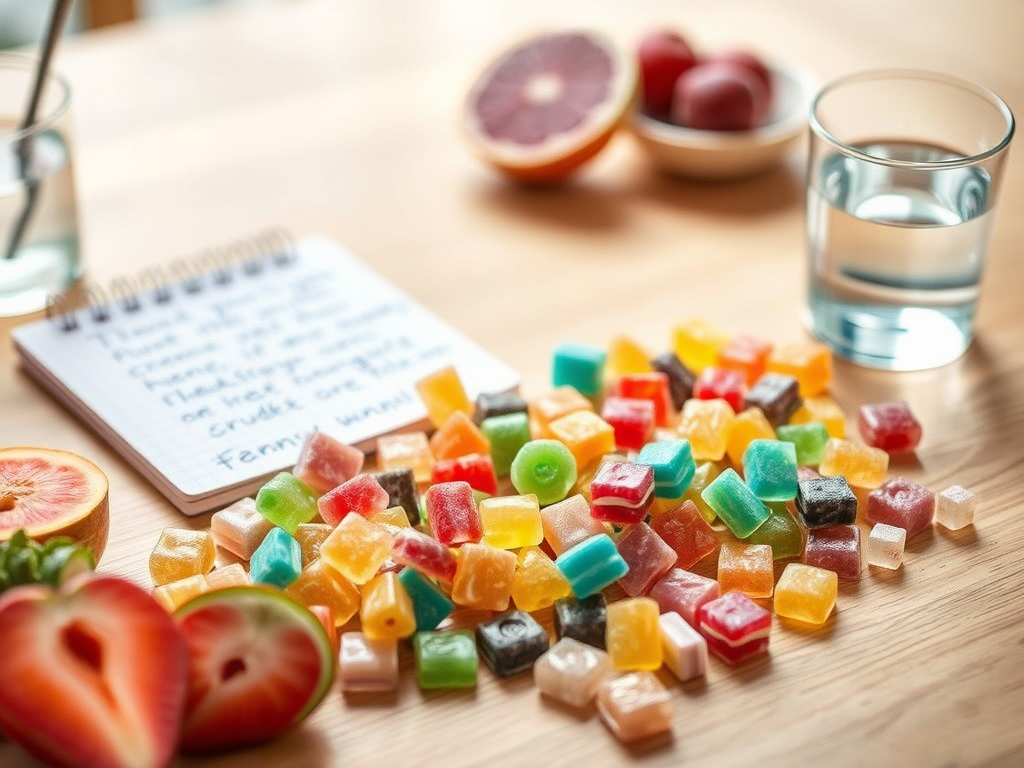
The questionable ingredients include:
Proprietary herbal blends listed without amounts: One popular brand contains “detox botanicals” including milk thistle and dandelion root. Without knowing the dose, it’s impossible to determine if there’s enough to have physiological effects or just enough to list on the label.
When I called the company to ask about concentrations, the representative told me it was “proprietary information” but “clinically effective.” That’s…not how clinical evidence works.
Sugar alcohols: While technically “sugar-free,” these can cause serious digestive distress in some people. Trust me on this one—I unwittingly ate a whole bag of sugar-free gummies on a road trip once. My husband still hasn’t forgiven me for the emergency restroom stops.
Morgan, a 35-year-old client with IBS, experienced three days of bloating and cramping from one popular cleanse candy that contained maltitol. This isn’t rare; about 40% of my clients report some digestive sensitivity to sugar alcohols.
I remember talking to a registered dietitian colleague who refuses to recommend products with mixed sugar alcohols. “Why would I suggest something that might have clients texting me from the bathroom?” Fair point.

What Actually Helps with Sugar Cravings (Based on Real Client Experiences)
After working with hundreds of people struggling with sugar dependency, certain patterns become clear. The people who successfully reduce their sugar consumption rarely do it through a single product or approach.
Patrick tried four different candy cleanse products before we identified that his afternoon sugar cravings directly correlated with skipping lunch during busy workdays. Once he started preparing protein-rich lunches the night before, his need for sweet fixes dramatically decreased. No special candy required.
Annette’s late-night cookie habit didn’t budge with cleanse products, but improved significantly when we addressed her chronic sleep deprivation. During one particularly revealing session, she admitted, “I’m not even enjoying the cookies. I’m just trying to stay awake to finish work.”
Based on tracking hundreds of client food journals, the most effective strategies for reducing sugar cravings include:
Getting actual protein at breakfast. Not a pathetic sprinkle—I’m talking 25-30 grams. The people who “don’t experience hunger until 3pm” are almost always the ones starting their day with adequate protein.
I remember when Diane switched from her carb-heavy morning muffin to a protein-focused breakfast. “This is the first time in my life I haven’t thought about sugar all morning,” she texted three days later.
Managing stress in ways that don’t involve food. Beth’s sugar cravings plummeted after we built a 10-minute breathing practice into her workday. Terry’s improved when he started leaving his phone in another room while working.
Eating enough during the day. The clients who report the most intense evening sugar cravings are often the same ones “being good” with minimal daytime eating.
Monica tracked her food for two weeks and discovered she was eating only 850 calories before dinner—no wonder she was demolishing ice cream at night. Her body wasn’t being bad; it was being smart by driving her toward quick energy.
Addressing mineral deficiencies. This one surprises people, but magnesium deficiency in particular can drive sweet cravings. When Charles supplemented magnesium (after testing showed low levels), his chocolate cravings diminished within weeks.
The Research Doesn’t Tell a Simple Story
You know what drives me crazy about nutrition articles? When they cherry-pick research to tell a neat, tidy story. The truth about sugar reduction research is messy.
The Journal of Nutrition review that candy cleanse companies love to cite shows better adherence with gradual reduction programs. But they conveniently ignore the 2023 Kings College research showing that taste adaptation happens faster with complete elimination.
I’ve seen both approaches work with different clients. Jeff did better with the complete sugar break, reporting that his taste buds “reset” after about two weeks. Karina, however, developed binge eating patterns when trying to eliminate sugar completely and had much better results with gradual reduction.
My Bottom-Line Take After Years in the Trenches
After watching this candy cleanse detoxcandy trend evolve since 2021, here’s what I believe:
For some people—particularly those who experience intense withdrawal symptoms when eliminating sugar—transition products might help bridge the gap. They’re not magic, but they might be a stepping stone.
However, I’ve repeatedly observed that lasting change requires addressing the underlying drivers of sugar consumption—metabolic, emotional, habitual, and environmental factors all matter.
Several clients have created their own effective approach by:
- Identifying their specific trigger situations through detailed food-mood journaling (Linda discovered her sugar cravings predictably spiked after difficult client calls)
- Creating environmental changes to reduce friction (Steve simply stopped bringing cookies home, deciding to enjoy them occasionally at a local café instead)
- Addressing nutritional foundations that impact cravings (adequate protein, healthy fats, fiber, hydration, and key minerals)
- Developing specific alternative behaviors for common craving times (Rachel started taking brief walks after dinner, exactly when she typically reached for dessert)
Watching Rachel’s transformation was particularly meaningful. After struggling with sugar cravings for decades and trying “everything,” she finally made progress with this comprehensive approach. Six months later, not only had her blood work improved dramatically, but she told me, “For the first time in my life, I feel like food is just food—not something that controls me.”
That’s the real success—not giving up sugar forever, but developing a relationship with food that feels balanced and in your control.
If you’re considering commercial cleanse products, approach with healthy skepticism and remember they’re tools, not solutions. The real work happens in addressing the lifestyle factors driving your cravings in the first place.
And if you try them, please start with a small amount—unless you want to risk a very uncomfortable digestive experience. Just saying.
WANT TO ELIMINATE STUBBORN BELLY FAT QUICKLY? 🔥Here’s your ultimate solution! Add this flavorless powder to your morning coffee and see the incredible transformation! 💪




 Simple Steps to Smarter Eating & Weight Loss
Leave a comment